


The aim of this project is to create a queueing framework to be implemented in Walt Disney World that maximizes guest enjoyment and efficiency of movement, while also taking into consideration sensory needs of guests with intellectual and developmental disabilities (IDDs). To achieve these goals, this project explores the idea of a “second…

Extreme weather events pose significant challenges to the reliability and efficiency of commercial air travel in the United States. As climate change increases the frequency and intensity of these events, it is essential to understand how airline networks are able to manage their responses and which structural features improve operational…
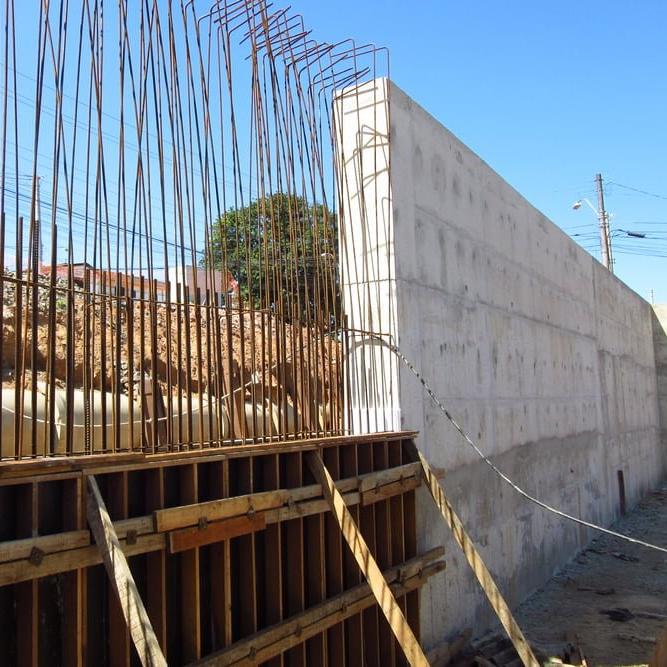
Concrete use produces carbon emissions excessively. For safety reasons, cost reasons, and convenience in construction, concrete is a nonnegotiable introducer of carbon emissions; it will not stop. It is nonetheless, moreso even, as a result, increasingly important as climate change continues and global anthropogenic carbon dioxide in the…

Heritage structures serve as a record of the past and symbolize enduring connections between a community’s culture and history. While historical Japanese timber joints built by miyadaiku carpenters and utilized in temples and shrines are recognized as sustainable and resilient building systems, the preservation of such structures and carpentry…
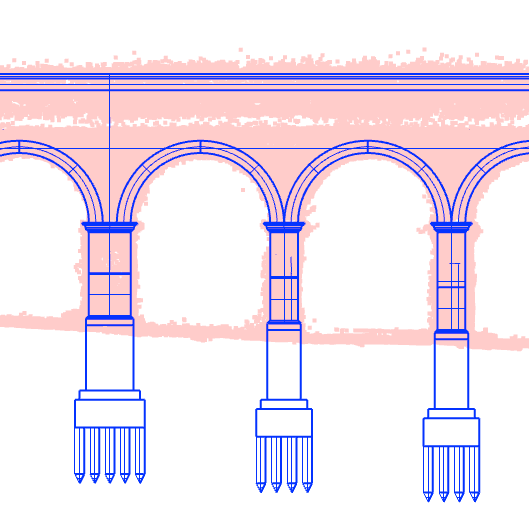
This project centers around analyzing the structural health of the Suirokaku Aqueduct and documenting its deformations. This research is important because the Suirokaku Aqueduct is both a functioning aqueduct and a historic landmark of Kyoto. This project completes the beginning stages of historic building information modeling (H-BIM) by…

Artificial waterways are globally ubiquitous structures, serving not only as important conduits of water and transport, but also as cultural heritage sites and potential ecological refuges. Despite the ubiquity and importance of these structures, little research has studied the conservation value of historic canals in particular (Lin et al…
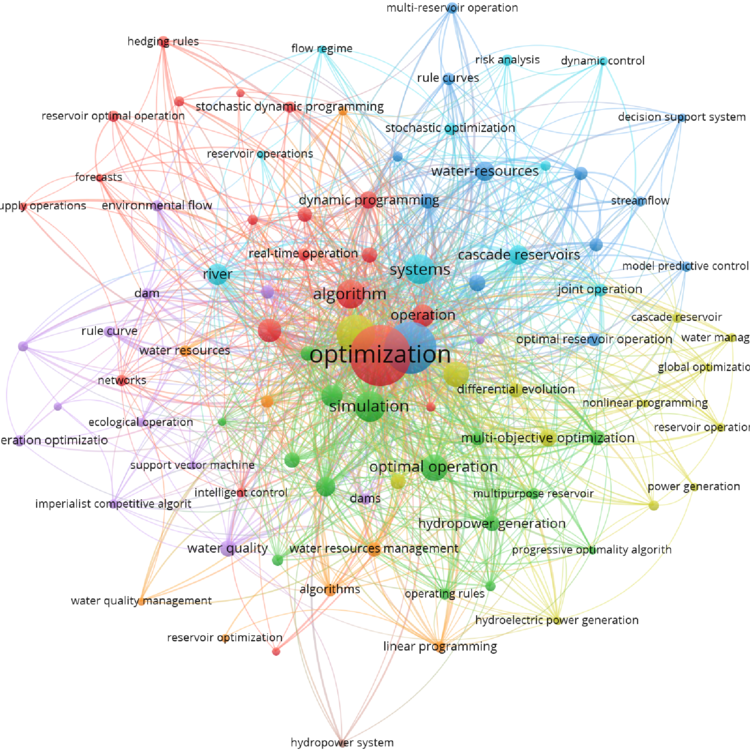
Reservoirs reduce flood risks, support regional development by increasing water availability for various economic sectors, contribute renewable electricity, and are increasingly important in the water cycle. Advancing their operations is only becoming more relevant, given renewed interest in dam construction and the need to reoperate existing…